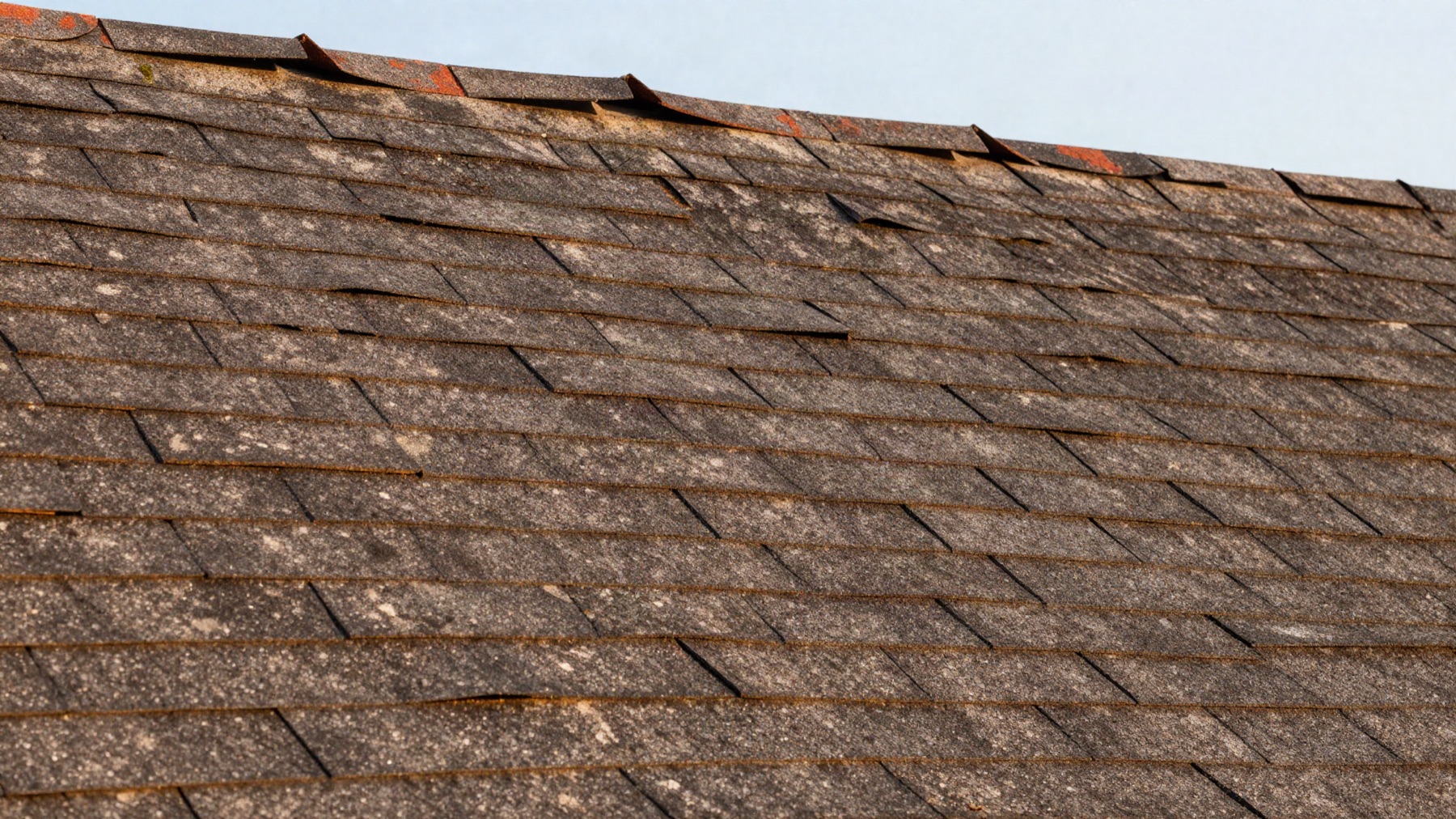
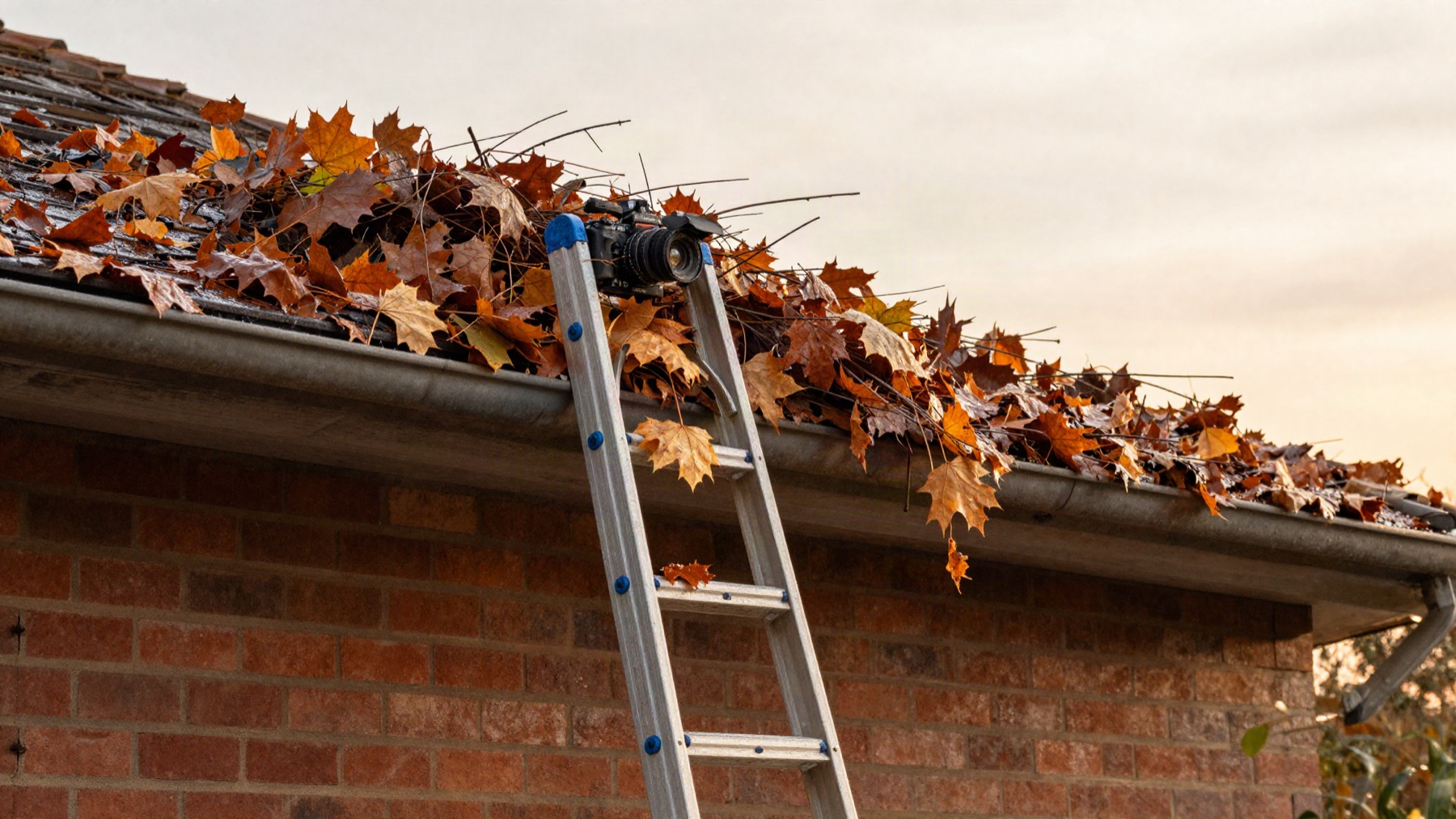
Ask any roofer in the Greater Toronto Area which small job prevents the most expensive repairs, and the answer is dull but consistent: cleaning the eavestroughs. Twice a year, every year. It's not glamorous and it's easy to put off, but a trough full of wet leaves is behind a remarkable share of the water damage we get called out to fix.
The GTA's twice-a-year rhythm
Our tree canopy makes this a two-season job. In late spring, maples and other seed-bearing trees drop keys, blossoms and catkins that mat down into the bottom of the trough. In late fall, the leaves come down all at once. Cleaning once in May or June and again in late October or November keeps the system clear through the two times of year it's under the most load. Homes with big mature maples directly overhead often need the fall clean done twice — once when the leaves start, once after they finish.
What a clogged system actually costs
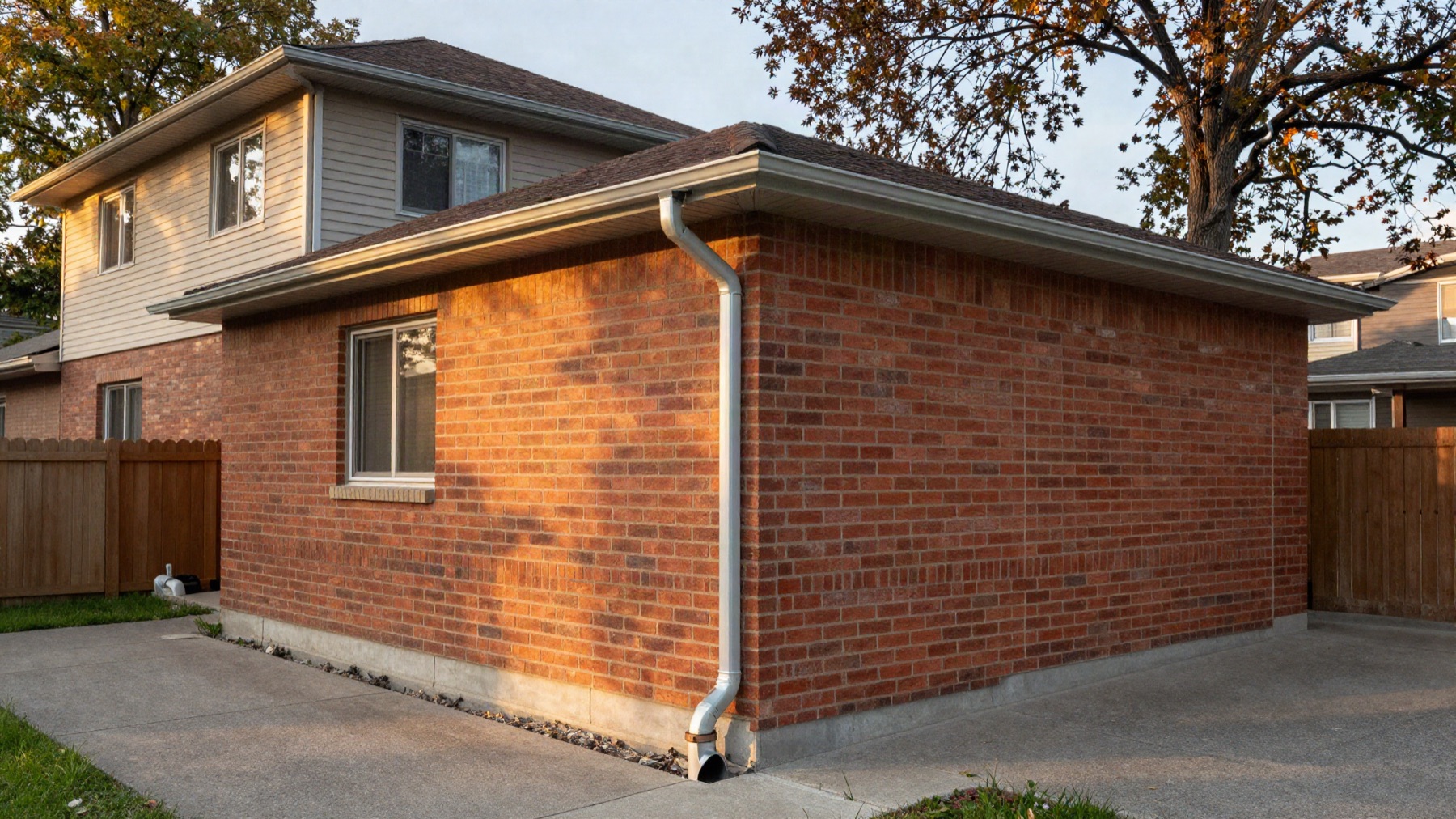
When water can't get to the downspouts, it goes everywhere else. It sheets over the front edge and lands against the foundation, which is how a lot of GTA basements get their first damp patch. It sits in the trough against the fascia board until the wood goes soft and the paint peels. In winter it's worse: standing water and debris freeze into an ice dam along the eave, and meltwater backs up under the first course of shingles and into the attic. A $150 clean-out skipped for two years can turn into fascia replacement, soffit repair and an interior ceiling patch.
While you're up there
A clean-out is also the best chance to catch small problems early. Loose or sagging hangers, split seams at the corners, a downspout elbow that's pulled apart, spikes backing out of the fascia — all of it is cheap to fix now and expensive to ignore. That's why we flush every downspout after cleaning and leave you a quick note on anything worth watching.
Booking it before the season turns
The busiest week of our year is the first hard rain of November, when everyone realises their troughs are full at the same time. Getting on the schedule a few weeks ahead of the leaves — or the spring melt — means the system is clear before it's tested. If your eavestroughs are already overflowing, it's worth having them cleared sooner rather than waiting for the next storm to find out what's downstream of the blockage.